
September 23, 2026
How to Style One Outfit for Different Occasions
Learn how to transform one versatile outfit into different looks with simple changes in layers, accessories, shoes, and styling details.
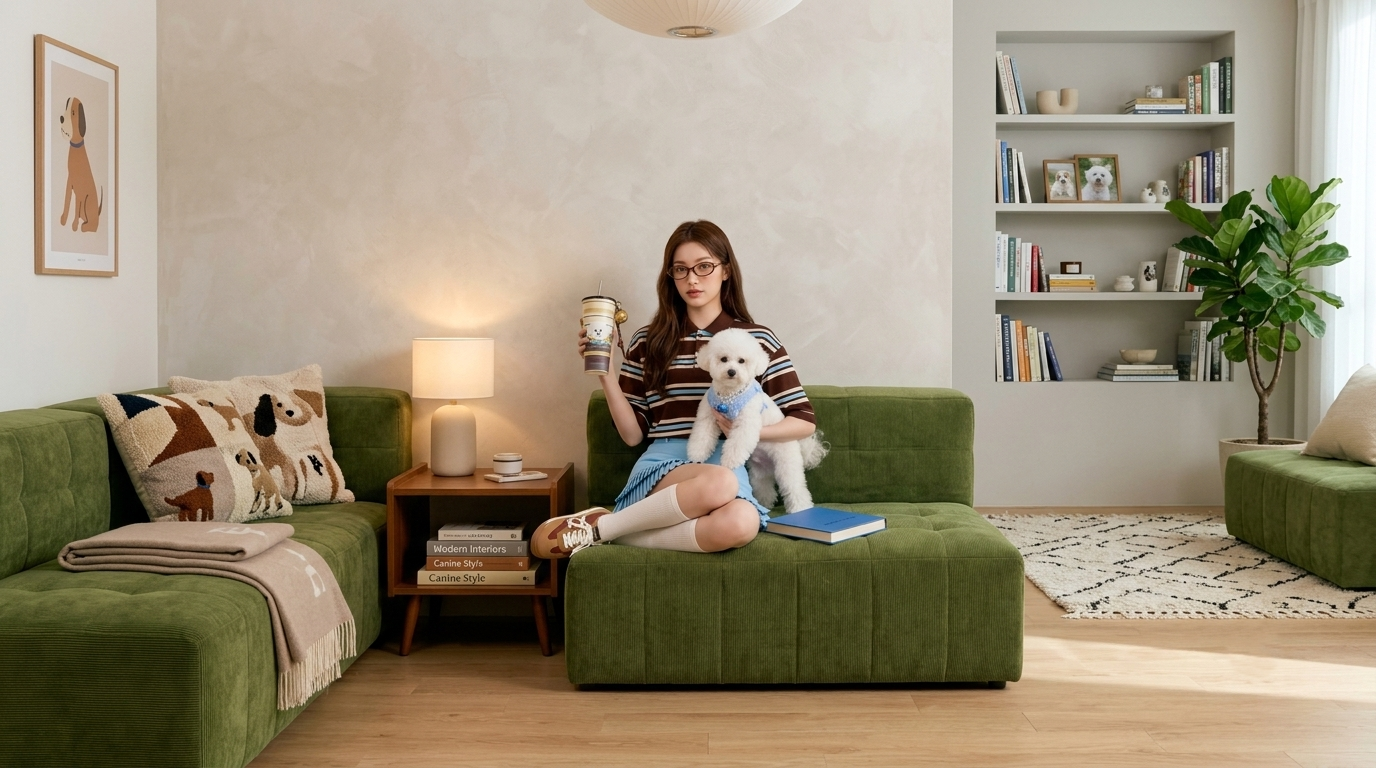
A versatile wardrobe is not about owning more clothes. It is about choosing pieces that can adapt to different moments throughout your day. With a few thoughtful styling changes, the same basic outfit can work for a casual weekend, a day at work, dinner with friends, or a special occasion.
Learning how to restyle your favorite pieces makes getting dressed easier while helping you create more looks from the wardrobe you already have.
1. Start With a Versatile Base
The easiest way to create multiple outfits is to begin with a simple base. Choose clothing that feels comfortable and works well with different layers and accessories.
Depending on your personal style, a versatile base could include a simple shirt, a clean pair of trousers, a classic top, a neutral dress, or comfortable denim. These pieces provide a foundation that can easily be changed for different settings.
2. Create a Casual Weekend Look
For everyday activities, focus on comfort without losing your personal style. Keep the outfit relaxed by choosing casual footwear, lightweight layers, or simple accessories.
- Pair a basic top with jeans or relaxed trousers.
- Add sneakers or comfortable casual shoes.
- Use a lightweight jacket or cardigan for an easy layer.
- Keep accessories simple and practical.
This approach works well for shopping, coffee runs, casual meetups, and relaxed days when you want an effortless look.
3. Turn It Into a Work-Ready Outfit
A few structured details can instantly make a casual outfit feel more polished. Swap relaxed layers for a tailored jacket, structured cardigan, or clean outer layer.
Choose refined footwear and keep accessories minimal. A simple change in proportions and layering can make the same foundation feel more suitable for professional environments.
4. Dress It Up for Dinner
When the day turns into an evening out, you do not always need to change your entire outfit. Instead, focus on details that create a more refined appearance.
- Replace casual shoes with a more polished option.
- Add a statement bag or refined accessory.
- Choose a more structured outer layer.
- Adjust your jewelry or other finishing details.
These small changes can give a familiar outfit a completely different mood while keeping the overall look comfortable.
5. Use Layers to Change the Look
Layers are one of the most useful styling tools in any wardrobe. They can change the shape, texture, and overall character of an outfit without requiring a completely new combination.
Try adding a blazer for a polished appearance, a denim jacket for a relaxed feel, or a sweater for a softer seasonal look. Removing a layer can also create a lighter and more casual outfit.
6. Let Accessories Do the Work
Accessories can dramatically change an outfit. The same clothing can feel casual, sophisticated, or more expressive depending on the accessories you choose.
Consider changing your bag, shoes, belt, scarf, jewelry, or other finishing pieces when moving between different occasions. Accessories are also an easy way to introduce color or personality without replacing the main pieces of your outfit.
7. Change the Color Combination
Color can influence the overall impression of an outfit. Neutral combinations often create a clean and understated appearance, while stronger contrasts can make the same pieces feel more expressive.
Try changing one element at a time. A different jacket, bag, shoe, or accessory can introduce a new color combination while keeping the outfit familiar and easy to wear.
8. Think About the Occasion First
Before changing your outfit, consider where you are going and what kind of environment you will be in. The goal is not to create a completely different wardrobe for every activity, but to make small adjustments that match the occasion.
A practical everyday outfit can often move from daytime activities to an evening plan with only a few thoughtful changes. This makes your wardrobe more flexible and your daily styling routine much simpler.
Make More From What You Already Own
Building a versatile wardrobe starts with understanding how your clothes can work together. Instead of thinking about individual pieces as one-purpose items, look for combinations that can adapt to different situations.
With the right base pieces, flexible layers, and a few carefully chosen accessories, one outfit can become several distinct looks. The result is a wardrobe that feels more practical, personal, and easy to style every day.